Water Line Worries
Reading Time:
Have your water bills been increasing? Are there mysterious water stains on your walls or ceilings? Or maybe there are strange sounds or odors coming from your pipes. You might wonder what those things are, but you might not know they are signs of a potentially larger problem—leaking water lines.
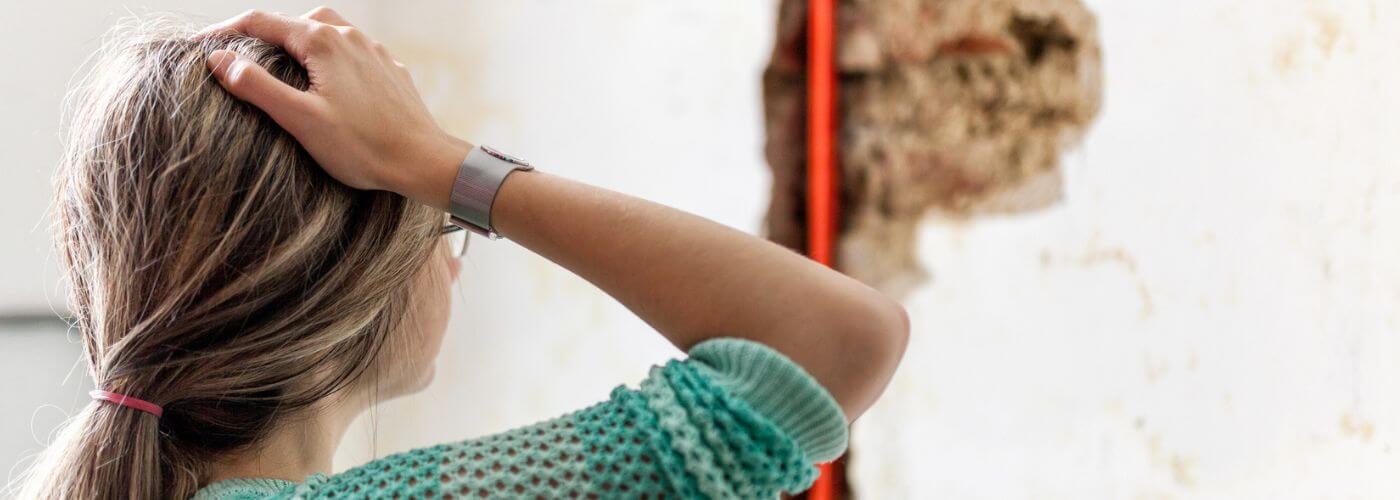
If a water line goes bad it can cause a significant amount of damage to your home, damaging walls, ceilings, floors and even mold or foundation problems if the issue is undetected and unaddressed. That said, how do you know if your water lines are leaking? After all, many are behind walls or under cabinets.
Before you learn the signs, let us explain some things about water lines. There are two main categories of water lines—supply lines and drain lines. Supply lines feed water to your home, and drain lines send it out. Supply line damage is usually easier to see since a broken supply line can cause a significant amount of water to flow and cause damage. However, drain lines are the cause of most water damage issues that go undetected. Since there isn’t always a high volume of water pouring out of damaged drain lines, you might not notice the damage until there’s a problem.
Signs of a Problem
Signs of a water line leak include:
- Noticeably reduced water pressure in your faucets
- Strange sounds coming from your pipes
- Higher water bills without increased usage
- Puddles on floors or in your yard
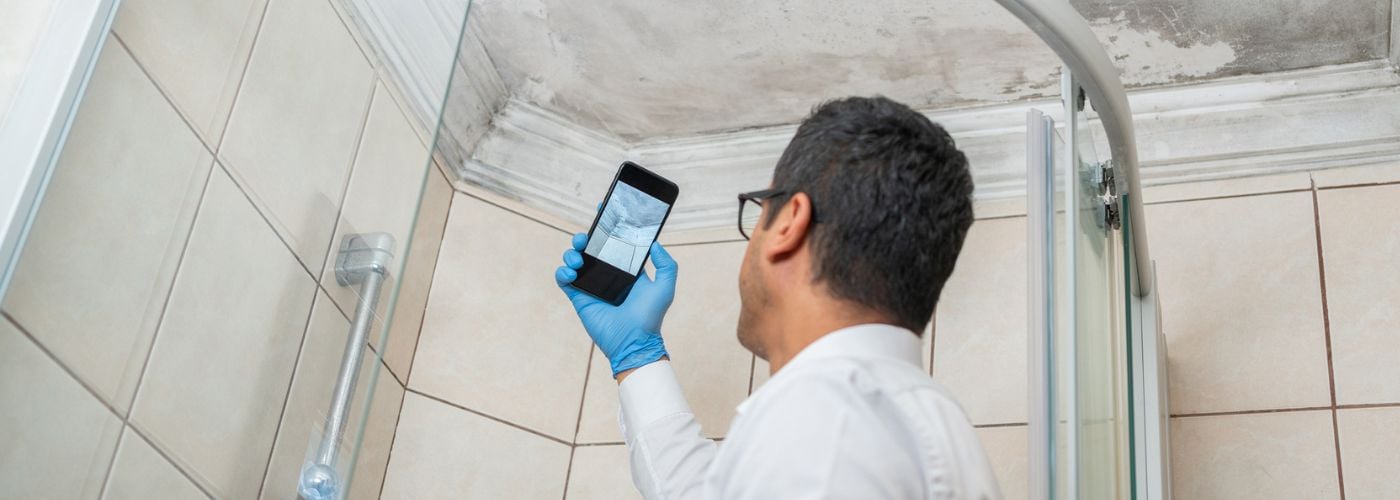
- Mold and mildew growth
- Water stains on walls or ceilings
- Bad smelling drains
Preventing Leaks in Kitchen Water Lines
Water lines run to the sink drain, garbage disposal, dishwasher and ice maker. To prevent supply and drain line problems in these areas:
- Don’t pour grease and food scraps down the drain. Drain screens for kitchen sinks can help with this greatly.
- Don’t put starchy foods, fibrous foods, coffee grounds or eggshells in your garbage disposal.
- Clean your ice maker tray regularly and check the water supply line for leaks. Replace it if necessary.
- Periodically clean your dishwasher’s spray arms, jets and filters to check for leaks around the seal.
Preventing Leaks in the Bathroom
Water lines in your bathroom run to sinks, tubs/showers and toilets. Obstructions to any of these can cause water to either back up or overflow and often cause a lot of damage. Protect your plumbing here in the following ways:
- Again, drain screens for tub and shower drains are your friend. They help avoid hair clogs in your pipes as well.
- Don’t flush anything down the toilet other than what’s meant to be flushed—even if the packaging says the item is flushable.
- Don’t use low-flush toilets to save water—they actually have a hard time getting waste through the sewer lines. You need that added water!
Preventing Plumbing Problems Throughout Your House
There are other areas in your house that may have water lines too. That’s why it’s a good idea to have your pipes cleaned by a plumber every 18-24 months. In between professional cleanings, clean your drains monthly with an enzyme-based cleaner. To do that, regularly flush and clean them by filling all the sinks, washing machines and bathtubs in your home first with hot water, then with cold water. Drain them all at the same time to flush debris out of the system.
If you have a home with mature trees outside, realize tree roots can cause problems if they are too close to sewer lines. If they are interfering with your sewer lines, you might want to consider removing the roots. If your house is new, you have more control over this because you can place the trees yourself. Keep them away from water lines that run to your house to avoid future problems.
Even though you don’t use your outdoor faucets in winter, they need attention too. If a washer or packing nut is deteriorating, it could lose its watertight seal. A more common problem with outdoor spigots is freezing in the winter. Disconnect all hoses from spigots in the fall and cover them with an outdoor faucet cover. (These can usually be found at hardware or home improvement stores for less than $5 each.)
Some of the damage caused by water line failure is significant enough to make a claim on your homeowners insurance. It’s worth noting that your homeowners policy likely will not cover fixing the water lines, but it may be helpful when it comes to repairing damage done from a water line problem. Every situation is different, and all coverage options are subject to the provisions of the policy purchased and details of your situation.